- June 24, 2026
- by Laxminarayan Enterprise
- Printing & Packaging - GENERAL, Uncategorized
- 0 Comments
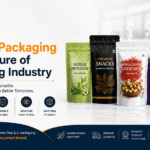
Sustainable packaging trends in India are evolving rapidly. Brands now prioritize eco-friendly, recyclable, and biodegradable packaging. India’s sustainable packaging market reached USD 10.2 billion in 2025 and is projected to hit USD 17.7 billion by 2034. We share actionable insights from our years in the packaging industry.
Government Regulations Driving Sustainable Packaging in India
The Indian government introduced the Plastic Waste Management Amendment Rules in July 2025. These rules mandate QR code traceability on all plastic packaging. Every producer, importer, and brand owner must register on the Central Pollution Control Board portal.
Brands must incorporate at least 30% recycled content by 2025. The single-use plastics ban from 2022 continues to accelerate the shift toward sustainable alternatives. FSSAI now allows rPET plastics in food contact materials, provided they meet national standards.
Top Sustainable Packaging Trends in India for 2026
Several key trends dominate the sustainable packaging landscape in India. Brands must adapt to stay competitive and compliant. Here are the trends shaping the market.
Mono-Material Packaging for Easy Recycling
Mono-material packaging uses a single type of plastic for the entire structure. This approach simplifies the recycling process significantly. Flexible packaging companies in India now produce Mono-PE and Mono-PP structures. These materials achieve near 100% recyclability through mechanical recycling streams.
Biodegradable and Compostable Materials
Next-generation biodegradable materials are entering mainstream packaging. PLA (polylactic acid) made from corn starch leads the way. Mushroom-based packaging grown from mycelium offers another innovative option. These materials decompose in compost conditions within months.
Smart Packaging with QR Codes and NFC
Smart packaging helps customers learn proper disposal methods. QR codes provide recycling instructions and traceability data. NFC tags enable interactive consumer experiences. This technology also supports compliance with new traceability regulations.
Lightweighting and Plastic Reduction
Brands seek packaging that uses less material without sacrificing protection. Flexible pouches use up to 70% less plastic than rigid bottles or cans. This reduction delivers immediate logistics and sustainability benefits. Lower weight also cuts transportation costs and carbon emissions.
Circular Packaging and Closed-Loop Systems
Circular packaging designs enable reuse, refill, or return models. Brands increasingly adopt closed-loop systems. These systems collect used packaging and reprocess it into new products. Extended producer responsibility (EPR) regulations drive this shift.
How Laxmi Narayan Enterprise Supports Sustainable Packaging
We manufacture eco-friendly printed pouches and flexible packaging in Kolkata. Our team helps brands transition to sustainable packaging solutions. We offer low MOQ options for startups testing new packaging formats.
Our stand-up pouches and printed pouches follow the latest sustainability guidelines. We work with mono-material substrates for improved recyclability. Contact us for custom sustainable packaging solutions tailored to your brand.
Reference: For more on India’s plastic waste regulations, visit the Central Pollution Control Board website.
Conclusion: Act Now on Sustainable Packaging in India
Sustainable packaging trends in India are reshaping the market. Government regulations, consumer awareness, and corporate commitments drive this change. Brands that adopt sustainable packaging now will lead their industries. We help you navigate this transition with expert guidance and quality production.